






Introduction to Storage Rentals
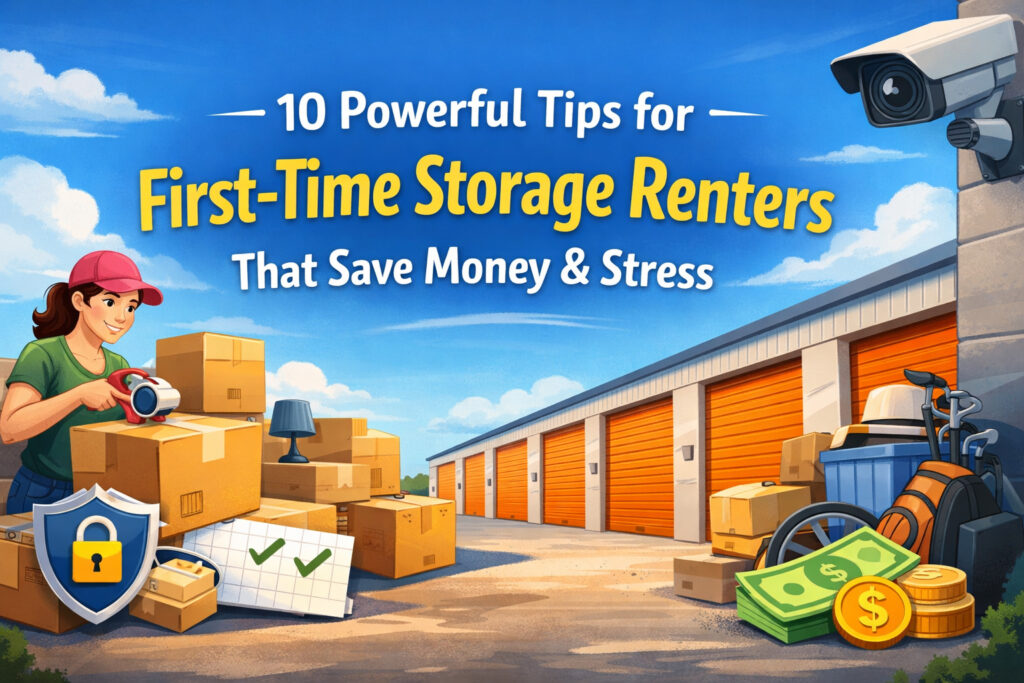
Renting a storage unit for the first time can feel overwhelming. With so many options, pricing plans, and features, it’s easy to make mistakes. These tips for first-time storage renters will guide you step-by-step so you can store your belongings safely and affordably.
Whether you’re moving, downsizing, or just decluttering, storage units offer a flexible solution for keeping your items secure without crowding your living space.
Why People Use Storage Units
People rent storage units for many reasons:
- Moving between homes
- Storing seasonal items
- Downsizing or decluttering
- Business inventory storage
- Temporary life changes (travel, renovation, etc.)
Storage provides a convenient way to manage belongings without making permanent decisions about what to keep or discard.
Benefits of Renting a Storage Unit
Storage units offer several advantages:
- Extra space without moving to a bigger home
- Secure environment for valuables
- Flexible rental terms
- Easy access when needed
Companies like Public Storage and Extra Space Storage have made storage more accessible and user-friendly than ever.
Understanding Different Types of Storage Units
Choosing the right type of unit is crucial. Not all storage units are the same, and picking the wrong one can lead to damaged items or wasted money.
Climate-Controlled vs Standard Units
Climate-controlled units maintain consistent temperature and humidity levels.
Best for:
- Electronics
- Wooden furniture
- Documents
- Artwork
Standard units are cheaper but exposed to temperature changes, making them suitable for less sensitive items.
Indoor vs Outdoor Access
- Indoor units: Located inside buildings, offering better protection
- Outdoor units: Drive-up access, easier loading/unloading
Your choice depends on convenience vs protection.
Specialty Storage Options
Some facilities offer:
- Vehicle storage
- Wine storage
- Business storage solutions
For example, CubeSmart provides tailored options for both personal and business needs.
Choosing the Right Storage Facility
Not all storage facilities are equal. Picking the right one can save you headaches later.
Location and Accessibility
Choose a facility:
- Close to your home or workplace
- With convenient hours
- Easy drive-up access if needed
Security Features to Look For
Security should be a top priority. Look for:
- 24/7 surveillance cameras
- Gated access with codes
- On-site staff
- Individual unit alarms
Facilities like U-Haul often provide strong security features along with rental services.
Reputation and Reviews
Before committing:
- Check online reviews
- Look for consistent ratings
- Ask for recommendations
A good reputation often reflects reliable service and secure facilities.
Budgeting for Storage Costs
Storage can be affordable—but only if you plan wisely.
Monthly Fees and Hidden Costs
Typical costs include:
- Monthly rent
- Administrative fees
- Insurance
- Late payment penalties
Always read the fine print to avoid surprises.
Discounts and Promotions
Many companies offer:
- First month free
- Long-term discounts
- Student or military deals
Compare offers from providers like Life Storage to find the best deal.
Packing Tips for First-Time Storage Renters
Packing properly protects your belongings and maximizes space.
Best Packing Materials
Use high-quality supplies:
- Sturdy boxes
- Bubble wrap
- Packing tape
- Plastic bins for durability
Avoid using weak or damaged boxes.
Labeling and Organization
Label every box clearly:
- Contents
- Room
- Fragile indicators
Create an inventory list so you can easily find items later.
Protecting Fragile Items
- Wrap items individually
- Use padding
- Store fragile items on top
This reduces the risk of damage over time.
Maximizing Storage Space
Smart organization can save money by reducing the size of unit you need.
Efficient Arrangement Techniques
- Place heavy items at the bottom
- Keep frequently used items near the front
- Leave a small walkway
Vertical Storage Strategies
Use vertical space:
- Stack boxes safely
- Use shelving units
- Store mattresses upright
This maximizes every inch of your unit.
Common Mistakes to Avoid
Avoid these common pitfalls when renting storage.
Overpacking or Underestimating Space
- Too much stuff → clutter and damage
- Too little planning → wasted space
Always estimate your needs carefully.
Ignoring Insurance Options
Many renters skip insurance—but it’s important.
Storage facilities may not cover damage or theft. Consider:
- Facility insurance plans
- Homeowner’s insurance extensions
Safety and Security Best Practices
Keeping your items safe goes beyond choosing a facility.
Choosing the Right Lock
Use a high-quality lock:
- Disc locks (most secure)
- Avoid cheap padlocks
Avoiding Prohibited Items
Do NOT store:
- Perishable food
- Hazardous materials
- Illegal items
- Living things
Check facility rules before storing anything unusual.
Rental Agreements Explained
Understanding your contract is essential.
Understanding Terms and Conditions
Look for:
- Payment due dates
- Access hours
- Late fees
- Rate increases
Cancellation Policies
Some facilities require notice before moving out.
Always confirm:
- Minimum rental period
- Refund policies
FAQs About Storage Rentals
1. How do I choose the right storage unit size?
Start by listing your items. Many facilities offer size guides to help you estimate space.
2. Are climate-controlled units worth it?
Yes, especially for sensitive items like electronics and furniture.
3. Can I access my storage unit anytime?
Some facilities offer 24/7 access, while others have limited hours.
4. Do I need insurance for my storage unit?
It’s highly recommended to protect against theft or damage.
5. How can I save money on storage?
Look for promotions, choose the right size, and avoid unnecessary upgrades.
6. What items should not be stored?
Avoid storing food, hazardous materials, or illegal items.
Conclusion
Renting a storage unit for the first time doesn’t have to be complicated. By following these tips for first-time storage renters, you can make smart decisions, protect your belongings, and avoid unnecessary costs.
From choosing the right unit to packing efficiently and understanding your contract, every step matters. Take your time, compare options, and plan ahead—you’ll thank yourself later.


