





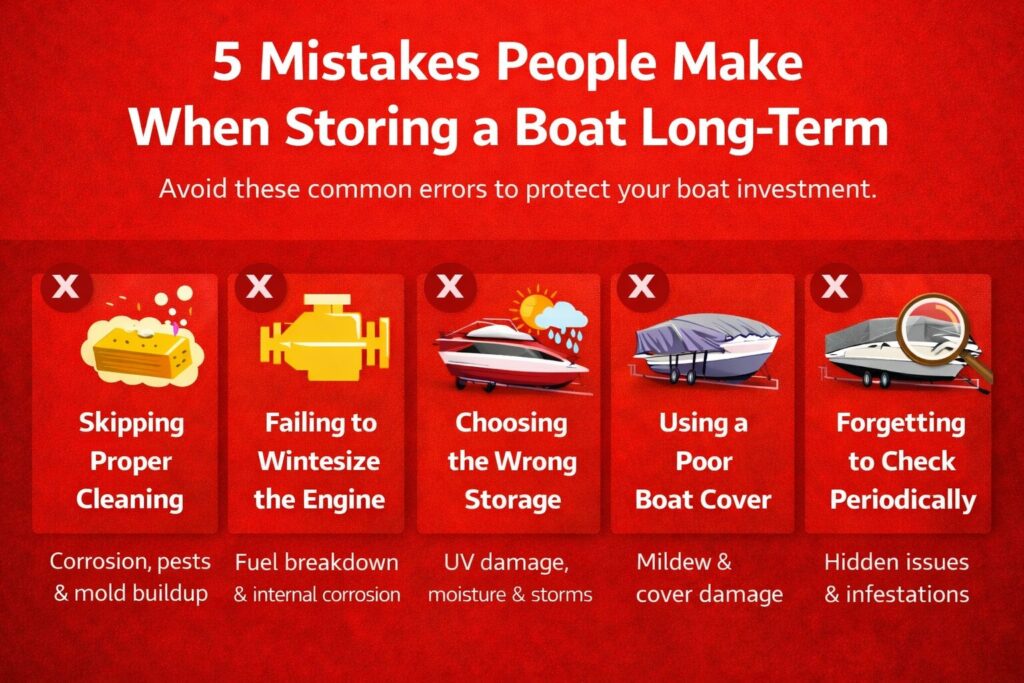
5 Mistakes People Make When Storing a Boat Long-Term
Storing a boat long-term isn’t as simple as parking it and walking away. Boats are complex machines exposed to weather, moisture, pests, and time itself. Unfortunately, many owners make avoidable mistakes that lead to costly repairs, shortened lifespan, and frustrating surprises when boating season returns.
Here are the five most common mistakes people make when storing a boat long-term—and how to avoid them.
1. Skipping Proper Cleaning Before Storage
One of the biggest mistakes is storing a boat without thoroughly cleaning it first.
Why This Is a Problem
- Salt, dirt, algae, and grime can corrode metal and stain surfaces
- Food crumbs attract rodents and insects
- Mold and mildew thrive in dirty, damp environments
What to Do Instead
- Wash and dry the hull, deck, and interior
- Remove trash, food, and personal items
- Clean upholstery and allow it to fully dry
A clean boat going into storage comes out in far better condition.
2. Failing to Winterize or Protect the Engine
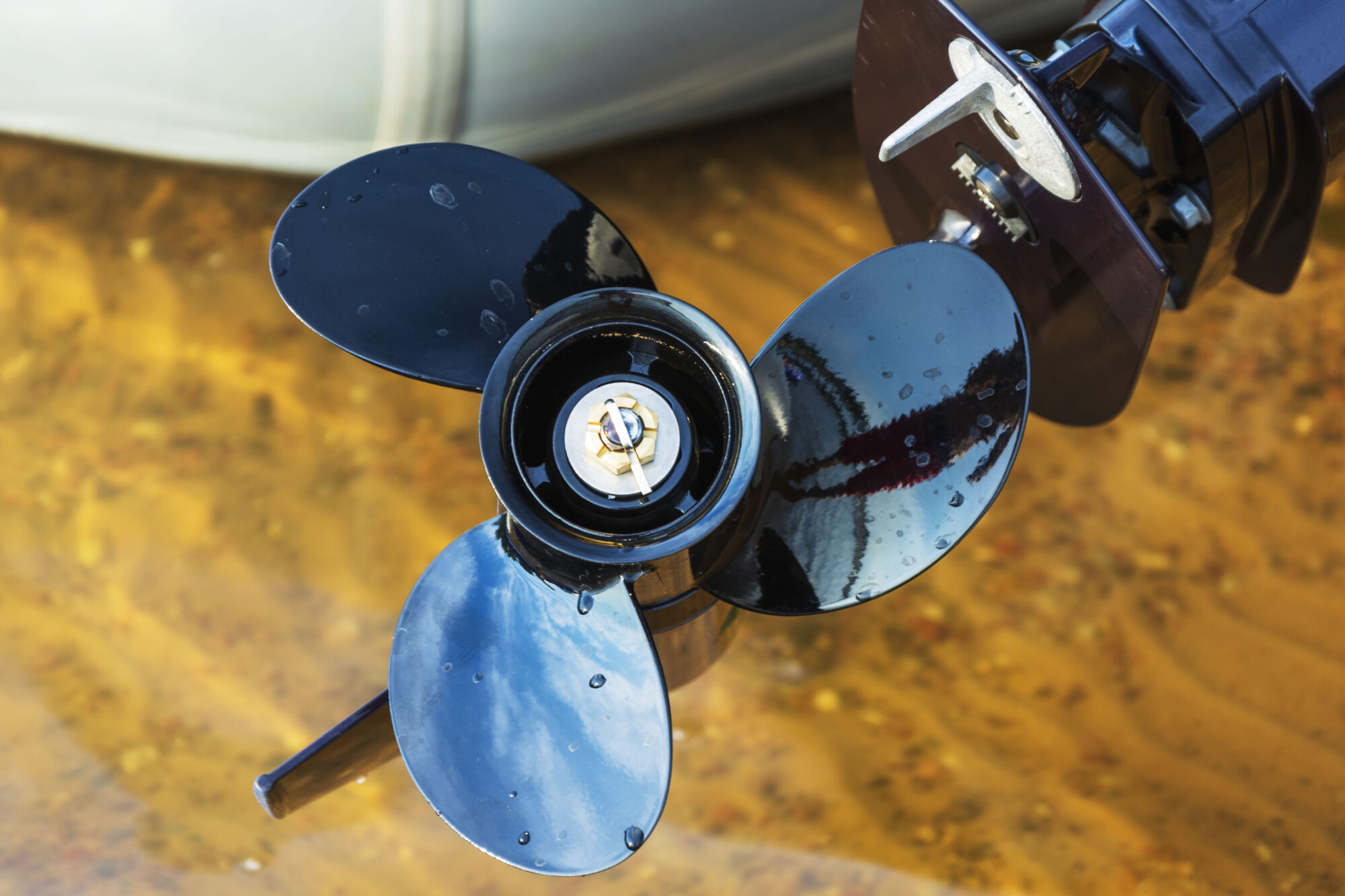
Even in warmer climates, engine neglect during long-term storage can cause serious damage.
Why This Is a Problem
- Old fuel breaks down and clogs fuel systems
- Moisture causes internal corrosion
- Cooling systems can crack if fluids aren’t properly treated
What to Do Instead
- Stabilize fuel and run the engine briefly
- Change oil and filters
- Flush cooling systems if required
- Disconnect or properly maintain batteries
Proper engine preparation protects one of the most expensive parts of your boat.
3. Choosing the Wrong Storage Type
Many owners focus on price instead of protection when selecting storage.
Why This Is a Problem
- Sun exposure fades gel coat and upholstery
- Rain and humidity cause mold and electrical issues
- Hail and storms can cause structural damage
What to Do Instead
- Choose indoor or covered storage for long-term periods
- If outdoor storage is unavoidable, use a high-quality, breathable cover
- Ensure good drainage and ventilation
The right storage type dramatically reduces long-term wear.
4. Not Using a Proper Boat Cover

Using no cover—or the wrong kind—is a common and costly error.
Why This Is a Problem
- Trapped moisture leads to mildew
- Loose covers flap and damage paint
- Cheap tarps tear and offer little protection
What to Do Instead
- Use a marine-grade, breathable cover
- Ensure a snug fit with support poles
- Check the cover periodically during storage
A good cover acts as your boat’s first line of defense.
5. Forgetting to Check on the Boat Periodically
Many people assume long-term storage means “set it and forget it.”
Why This Is a Problem
- Small issues become big repairs
- Pest infestations go unnoticed
- Covers shift or tear over time
What to Do Instead
- Inspect your boat every few weeks if possible
- Look for moisture, pests, or damage
- Ensure covers, straps, and vents are secure
Regular check-ins can save thousands in repair costs.
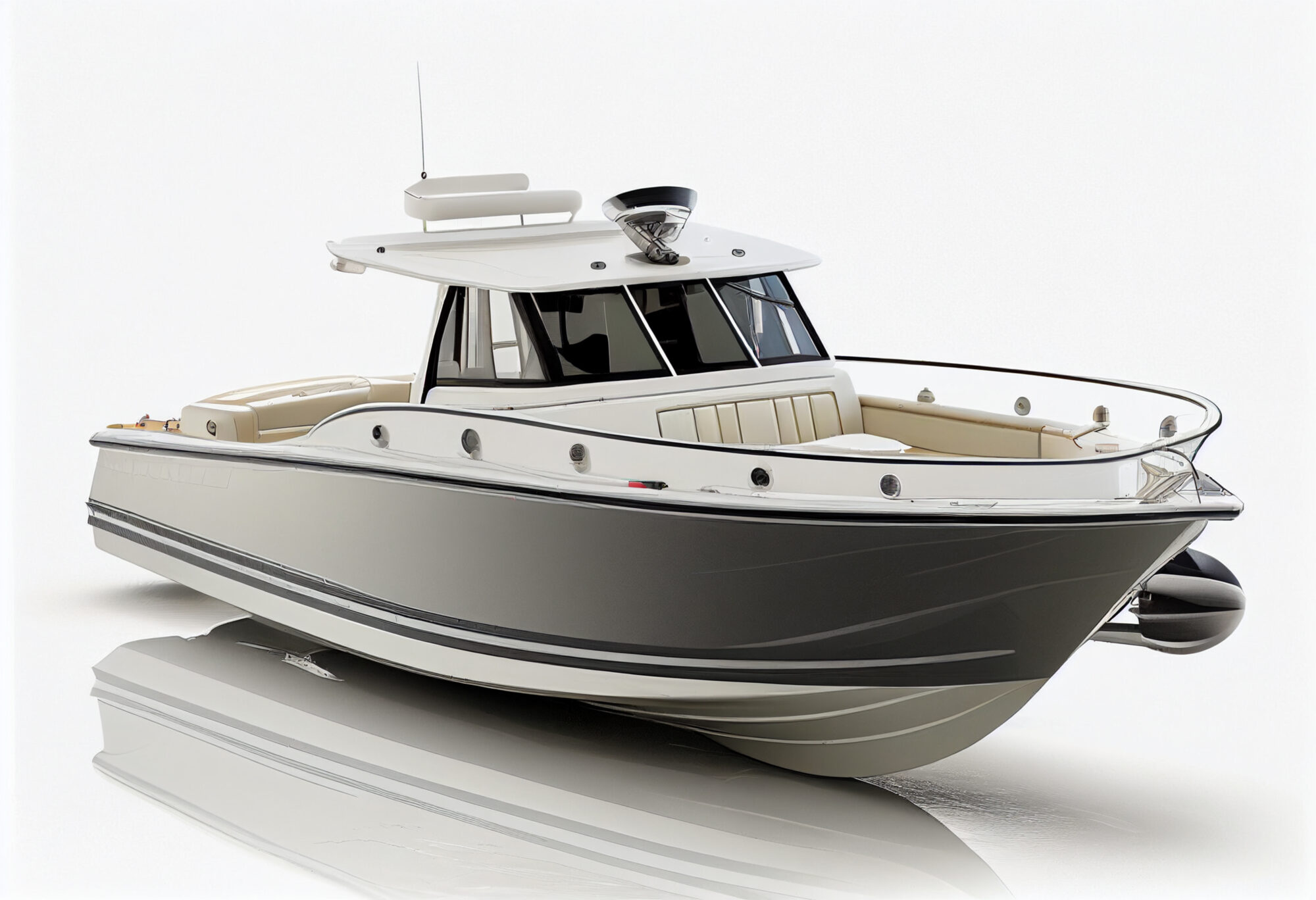
Quick Checklist: Avoid These Costly Boat Storage Mistakes
❌ Storing a dirty boat
❌ Ignoring engine and fuel prep
❌ Choosing storage based only on price
❌ Using poor-quality covers
❌ Never checking on the boat
Final Thoughts
Avoiding these 5 mistakes people make when storing a boat long-term can mean the difference between a smooth start to boating season and an expensive repair bill. Proper preparation, the right storage choice, and routine checks protect your investment and extend your boat’s life.
A little effort before storage goes a long way toward stress-free boating later.


