



Looking for a reliable place to store your RV or boat in San Antonio? San Antonio Boat & RV Storage offers secure, affordable, and accessible storage solutions just minutes from your next adventure.


Owning a boat is a rewarding experience, especially in and around San Antonio, where lakes, rivers, and coastal getaways are within reach. However, one of the most overlooked responsibilities of boat ownership is proper storage. Choosing the right facility isn’t just about convenience—it’s about protecting your investment, ensuring safety, and extending your boat’s lifespan.
This comprehensive guide on How to Choose the Right Boat Storage in San Antonio walks you through every key factor, from climate concerns and storage types to costs, security, and legal considerations.
San Antonio’s climate can be tough on boats. Intense summer heat, UV exposure, sudden storms, and seasonal humidity can cause:
The right storage solution shields your boat from these risks, reduces maintenance costs, and keeps it ready for the water when you are.
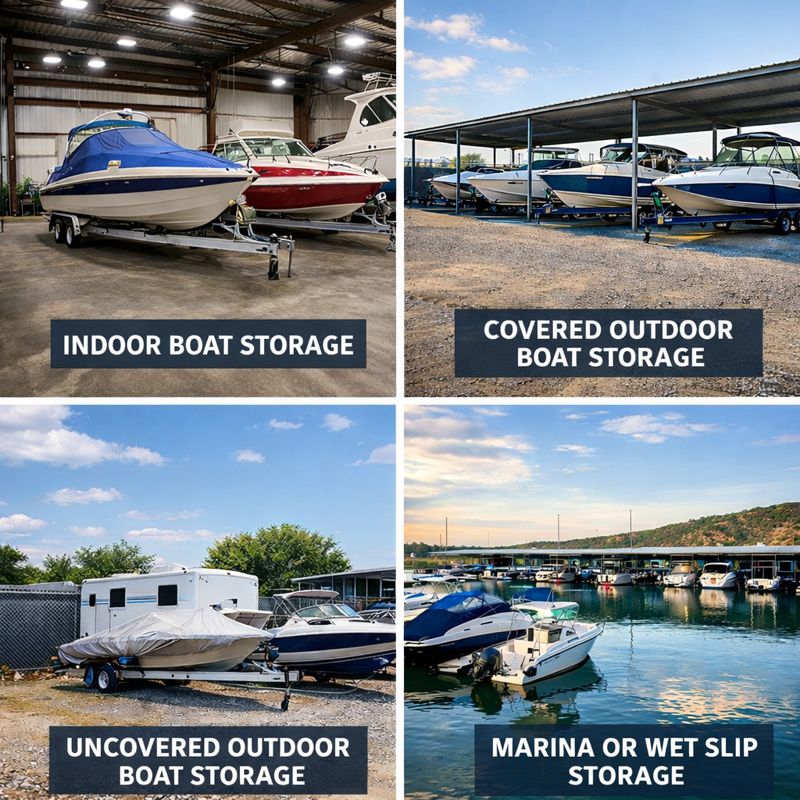
Indoor storage offers the highest level of protection. Boats are stored inside enclosed buildings, safe from sun, rain, hail, and temperature extremes.
Best for:
Pros:
Cons:
This option provides a roof or canopy but leaves the sides open. It’s a popular middle-ground choice in Texas.
Best for:
Pros:
Cons:
The most budget-friendly option, typically in fenced lots.
Best for:
Pros:
Cons:
Boats remain in the water at a dock or marina.
Best for:
Pros:
Cons:
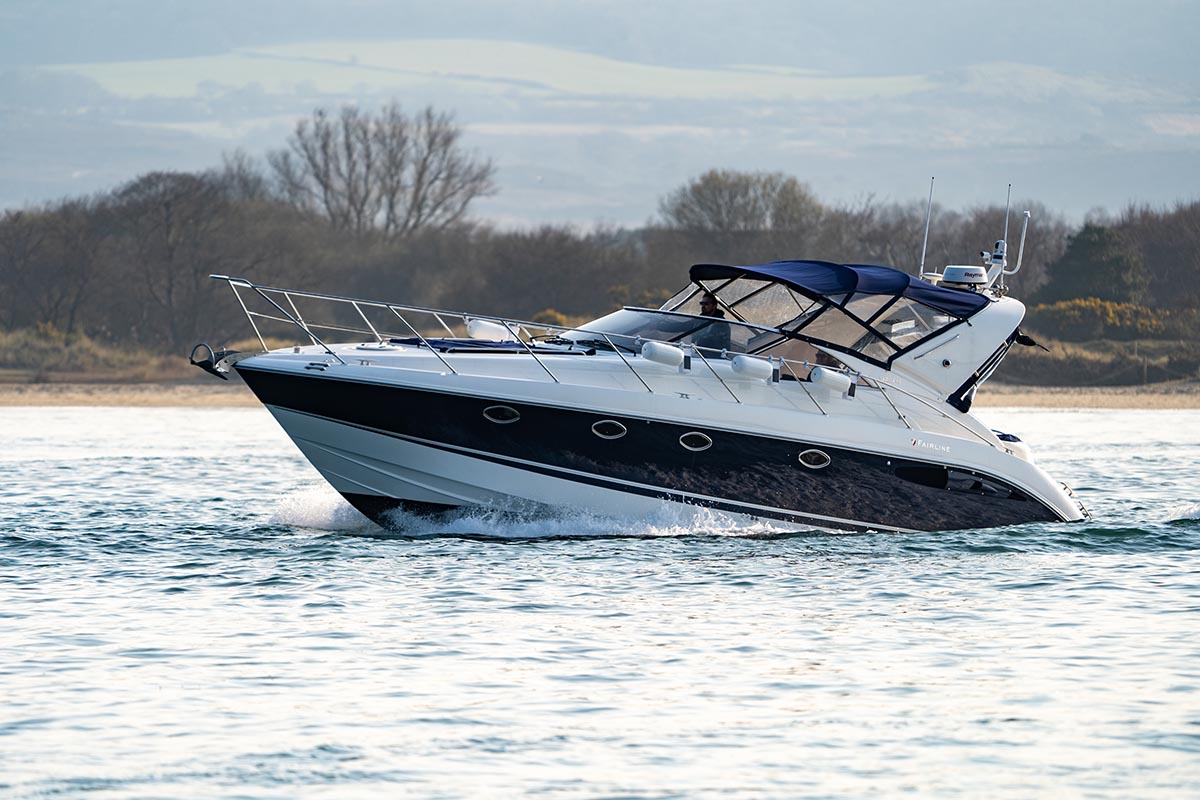
Choose a facility close to your home or preferred launch point. Easy access saves time and fuel, especially for frequent outings.
Security should never be optional. Look for:
Measure your boat’s full length, height, and beam (including trailers, towers, or antennas). Facilities often charge based on space used.
For indoor units, proper ventilation prevents moisture buildup, while climate control helps protect electronics, upholstery, and wood finishes.
Confirm whether the facility carries insurance and what it covers. Always maintain your own boat insurance as well.
Prices in San Antonio vary depending on storage type and location. Ask about:
| Storage Type | Estimated Monthly Cost |
|---|---|
| Indoor Storage | $200 – $500+ |
| Covered Outdoor | $120 – $300 |
| Uncovered Outdoor | $60 – $150 |
| Marina Slip | $250 – $600+ |
Prices vary based on boat size, facility amenities, and location.
Avoiding these mistakes ensures your storage choice truly protects your boat.
Indoor boat storage is the safest option, offering full protection from weather, theft, and vandalism.
Covered storage protects against direct sun, but indoor storage is better for long-term protection from extreme heat.
During peak boating seasons, it’s best to reserve storage at least 1–2 months in advance.
Some facilities allow minor maintenance, while others prohibit repairs. Always ask beforehand.
Yes. Facility insurance rarely covers full boat value or personal property.
Marina storage is convenient for frequent use, but dry storage reduces hull damage and long-term maintenance costs.
Choosing the right boat storage isn’t just about finding space—it’s about protecting your lifestyle investment. By understanding storage options, evaluating security and climate factors, and asking the right questions, you’ll confidently master How to Choose the Right Boat Storage in San Antonio.
A smart storage decision today means fewer repairs, lower costs, and more time enjoying the water tomorrow.


“Clean facility, the owners are friendly and meet all your needs, have RV supplies onsite. Covered storage available.”

“Secure location; power at covered stalls. Biggest plus on site dump station; most just storage. The owner is nice and friendly, makes you feel like family.”

“Very good service! Family owned and it showed. The owner went above and beyond helping us.”

“Very helpful and knowledgeable and experienced in the RV world, and they also have a lot of stuff that you could buy that’s affordable love the way they have everything set up very happy with the choice. We made to have RV stored there.”


