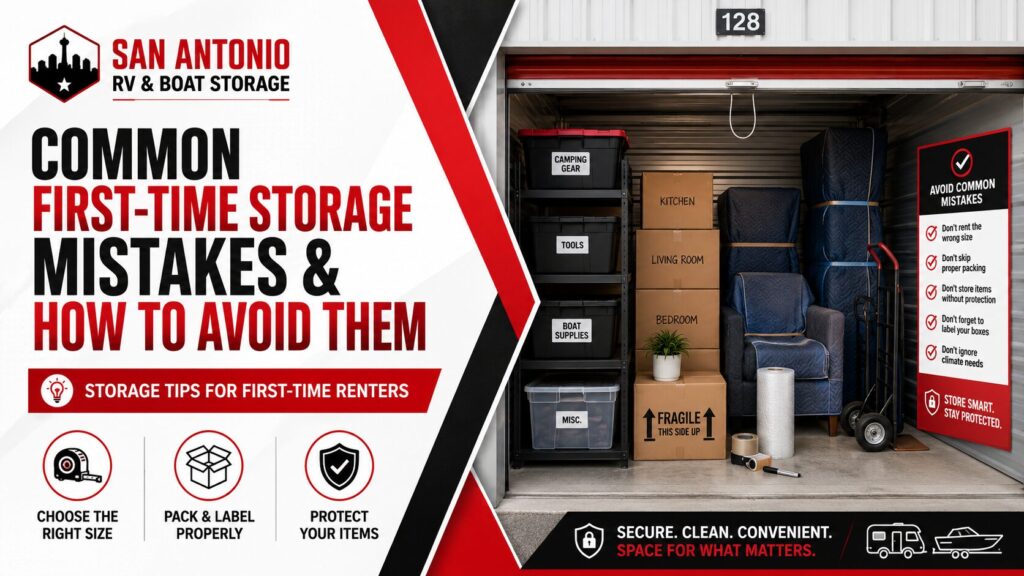
Renting a storage unit for the first time can seem simple. You choose a unit, move your belongings in, lock the door, and walk away. However, many first-time renters quickly discover that improper storage practices can lead to damaged items, wasted money, and unnecessary stress.
Understanding Common First-Time Storage Mistakes & How to Avoid Them is essential for protecting your belongings and getting the most value from your storage investment. Whether you’re moving, downsizing, renovating, or storing business inventory, avoiding these common pitfalls can save both time and money.
This comprehensive guide explores the most frequent storage mistakes beginners make and provides practical solutions to help ensure a safe, organized, and efficient storage experience.
Why Proper Storage Planning Matters
Storage units offer convenience and flexibility, but success starts with proper planning.
Without a strategy, renters often encounter:
- Damaged belongings
- Lost items
- Higher storage costs
- Limited accessibility
- Pest-related issues
- Moisture and mold problems
A little preparation before moving items into storage can prevent costly mistakes later.
Benefits of proper planning include:
| Benefit |
Impact |
| Better Organization |
Easier item retrieval |
| Reduced Damage |
Improved item protection |
| Cost Savings |
Avoid paying for excess space |
| Improved Accessibility |
Faster access to stored belongings |
| Enhanced Security |
Lower theft risks |
Planning is the foundation of successful storage management.
Understanding Self-Storage Basics
Before renting a unit, it’s important to understand how self-storage works.
Storage facilities typically offer:
- Various unit sizes
- Climate-controlled options
- Drive-up access
- Indoor storage
- Enhanced security systems
- Flexible rental agreements
Choosing the right storage solution depends on:
- The type of items being stored
- Storage duration
- Frequency of access
- Budget requirements
Many first-time renters skip this evaluation process, leading to avoidable mistakes.
Common First-Time Storage Mistakes & How to Avoid Them
Choosing the Wrong Unit Size
One of the most common mistakes is renting a unit that’s either too small or too large.
A unit that’s too small may result in:
- Overcrowding
- Damaged belongings
- Limited accessibility
A unit that’s too large can increase monthly expenses unnecessarily.
How to Avoid It
Before renting:
- Create a list of all items.
- Measure large furniture.
- Consult facility size guides.
- Leave room for walkways.
When in doubt, choose a slightly larger unit if accessibility is important.
Ignoring Climate Control Needs
Many renters underestimate the impact of temperature and humidity.
Items vulnerable to environmental damage include:
- Electronics
- Wooden furniture
- Documents
- Photographs
- Musical instruments
- Artwork
Without climate control, these items may warp, crack, fade, or develop mold.
How to Avoid It
Choose climate-controlled storage when storing:
- Valuable possessions
- Sensitive materials
- Long-term inventory
- Antique furniture
The additional cost is often far less than replacing damaged items.
Poor Packing Practices
Improper packing is responsible for many storage-related losses.
Common packing errors include:
- Using weak boxes
- Overloading containers
- Failing to wrap fragile items
- Using newspaper on delicate surfaces
These mistakes can lead to breakage and deterioration.
How to Avoid It
Use:
- Sturdy moving boxes
- Bubble wrap
- Furniture covers
- Plastic storage bins
- Packing tape designed for moving
Investing in quality packing materials provides long-term protection.
Failing to Create an Inventory List
Many renters forget exactly what they’ve stored.
Months later, locating specific items becomes difficult.
Without an inventory:
- Items may be misplaced
- Insurance claims become harder
- Duplicate purchases may occur
How to Avoid It
Create a detailed inventory that includes:
- Item descriptions
- Box numbers
- Photos
- Estimated values
Digital inventory apps can simplify this process.
Storing Items Without Proper Labels
Unlabeled boxes create confusion and wasted time.
Instead of searching through dozens of containers, proper labeling enables quick retrieval.
How to Avoid It
Clearly label every box with:
- Contents
- Room location
- Fragility level
- Storage date
Consider color-coding boxes by category.
Example:
- Blue = Kitchen
- Green = Office
- Red = Fragile items
This system improves organization significantly.
Forgetting About Accessibility
Many first-time users stack boxes from floor to ceiling without considering future access.
Placing Frequently Used Items in the Back
This forces renters to move numerous boxes just to retrieve one item.
Blocking Walkways
Packed units become difficult to navigate safely.
How to Avoid It
Create a simple layout:
- Frequently used items near the front
- Seasonal items toward the back
- Wide center aisle for movement
Accessibility saves time and reduces frustration.
Overpacking the Storage Unit
Trying to maximize every inch of space often creates problems.
Overpacked units can cause:
- Crushed boxes
- Damaged furniture
- Safety hazards
- Reduced airflow
How to Avoid It
Maintain:
- Walking paths
- Air circulation
- Stable stacking arrangements
Efficient organization is more important than squeezing in extra items.
Neglecting Security Measures
Security should never be an afterthought.
Using Weak Locks
Cheap locks are easier to cut or break.
Ignoring Facility Security Features
Some renters focus only on price and overlook security.
How to Avoid It
Choose facilities offering:
- Video surveillance
- Controlled gate access
- On-site management
- Good lighting
Use high-quality disc locks designed specifically for storage units.
Storing Prohibited or Hazardous Items
Many facilities prohibit certain materials.
Examples include:
- Gasoline
- Fireworks
- Paint thinner
- Explosives
- Perishable food
- Toxic chemicals
Storing prohibited items may violate rental agreements.
How to Avoid It
Always review facility policies before moving items into storage.
When uncertain, ask management directly.
Not Purchasing Storage Insurance
Some renters assume facility insurance automatically covers their belongings.
Often, this isn’t the case.
Unexpected events can occur:
- Theft
- Fire
- Storm damage
- Water leaks
How to Avoid It
Review:
- Homeowners insurance
- Renters insurance
- Facility insurance options
Adequate coverage provides peace of mind.
Skipping Regular Unit Visits
Leaving a unit unchecked for years can create surprises.
Potential issues include:
- Pest infestations
- Moisture damage
- Shifting boxes
- Security concerns
How to Avoid It
Schedule inspections every few months.
During visits:
- Check for damage
- Verify inventory
- Ensure climate systems are functioning
Regular monitoring prevents small issues from becoming major problems.
Improper Furniture Storage Mistakes
Furniture requires special care.
Common mistakes include:
- Storing furniture uncovered
- Leaving drawers full
- Placing items directly on concrete floors
How to Avoid It
Protect furniture by:
- Using covers
- Disassembling large pieces
- Elevating items on pallets
- Cleaning thoroughly before storage
Proper preparation extends furniture lifespan.
Electronics and Appliance Storage Errors
Electronics are particularly sensitive to storage conditions.
Mistakes include:
- Leaving batteries installed
- Storing devices in extreme temperatures
- Failing to clean appliances
How to Avoid It
Before storage:
- Remove batteries.
- Back up data.
- Clean thoroughly.
- Store in climate-controlled units.
This helps preserve functionality and prevents corrosion.
Seasonal Storage Mistakes
Holiday decorations, seasonal clothing, and outdoor equipment often require storage.
Common issues include:
- Poor packaging
- Moisture exposure
- Inadequate labeling
How to Avoid It
Use:
- Airtight containers
- Moisture absorbers
- Clear category labels
Organizing by season simplifies retrieval.
Business Storage Mistakes
Businesses frequently use storage units for inventory overflow.
Common errors include:
- Lack of inventory tracking
- Poor shelving systems
- Inadequate security
How to Avoid It
Implement:
- Barcode systems
- Inventory software
- Organized shelving
- Routine audits
Business storage should operate with the same efficiency as a warehouse.
Long-Term Storage Planning Tips
Long-term storage requires additional preparation.
Best practices include:
- Rotating stored items periodically
- Updating inventory records
- Maintaining insurance coverage
- Monitoring environmental conditions
A proactive approach ensures belongings remain protected over time.
Frequently Asked Questions
1. What is the most common first-time storage mistake?
Choosing the wrong unit size is one of the most frequent mistakes, often leading to overcrowding or unnecessary expenses.
2. Do I really need climate-controlled storage?
If you’re storing electronics, wood furniture, artwork, documents, or sensitive valuables, climate control is highly recommended.
3. How often should I visit my storage unit?
Every two to three months is generally a good practice for checking conditions and ensuring belongings remain secure.
4. Should I insure items stored in a storage unit?
Yes. Insurance provides financial protection against theft, fire, weather damage, and other unforeseen events.
5. What’s the best way to organize a storage unit?
Label all boxes, create an inventory list, keep frequently used items near the front, and maintain clear walkways.
6. Can I store appliances in a storage unit?
Yes, but appliances should be cleaned, dried thoroughly, and prepared properly before storage to prevent mold and odors.
7. How can I protect furniture during long-term storage?
Use furniture covers, elevate pieces off the floor, clean thoroughly, and choose climate-controlled storage when necessary.
Conclusion
Understanding Common First-Time Storage Mistakes & How to Avoid Them can make the difference between a smooth storage experience and a costly one. From choosing the correct unit size and maintaining organization to protecting valuables with climate control and insurance, every step contributes to the safety and longevity of your belongings.
Whether you’re storing household items, seasonal decorations, furniture, or business inventory, proper planning is essential. By avoiding the mistakes outlined in this guide, you’ll maximize storage efficiency, minimize risks, and enjoy greater peace of mind throughout your storage journey.
For additional storage and moving resources, visit the official American Moving & Storage Association resources.