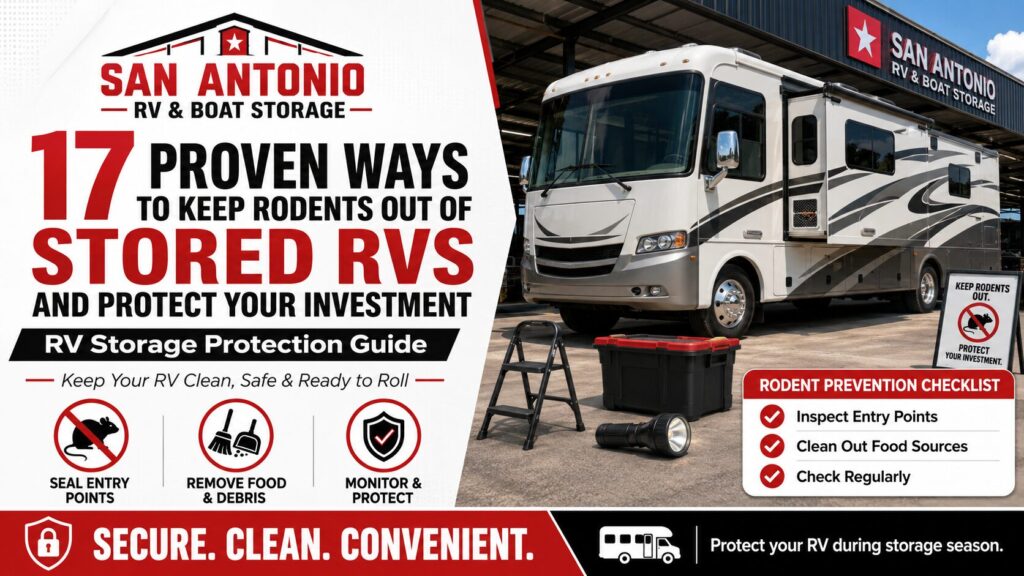
How to Keep Rodents Out of Stored RVs
Learning How to Keep Rodents Out of Stored RVs is one of the most important aspects of long-term RV ownership. While storing your recreational vehicle protects it from weather damage and unnecessary wear, it can also create an inviting shelter for mice, rats, squirrels, and other small pests. Rodents are constantly searching for warmth, food, and safe nesting locations, making stored RVs an attractive target.
Unfortunately, rodent infestations can lead to expensive repairs, damaged wiring, contaminated living spaces, unpleasant odors, and even serious health concerns. The good news is that with proper preparation and preventive measures, you can significantly reduce the risk of rodents invading your RV during storage.
This comprehensive guide explains proven strategies to keep rodents away and ensure your RV remains clean, safe, and ready for your next adventure.
Why Rodents Target Stored RVs
Rodents are survival experts. During colder months or periods of limited food availability, they actively seek protected environments.
Stored RVs offer several advantages for rodents:
- Warm insulation
- Limited human activity
- Hidden nesting areas
- Access to water sources
- Potential food residues
- Protection from predators
Even a small opening can provide access to an entire RV interior.
Common Rodents Found in RVs
| Rodent Type |
Common Behavior |
| House Mice |
Enter through tiny openings |
| Rats |
Chew through materials and wiring |
| Squirrels |
Nest in storage compartments |
| Chipmunks |
Carry food into hidden spaces |
| Field Mice |
Occupy undercarriage areas |
Understanding what attracts these pests is the first step toward effective prevention.
Understanding the Risks of Rodent Infestations
Many RV owners underestimate the extent of rodent damage.
Damage to Wiring and Electrical Systems
Rodents constantly chew to keep their teeth from overgrowing.
They commonly damage:
- Electrical wiring
- Solar panel connections
- Generator wiring
- Appliance cables
- Battery cables
Chewed wires can create fire hazards and expensive repair bills.
Health Hazards from Rodents
Rodents may carry bacteria, viruses, and parasites.
Potential health risks include:
- Contaminated surfaces
- Airborne particles from droppings
- Allergic reactions
- Food contamination
- Flea and tick transmission
Keeping rodents out protects both your RV and your family’s health.
Inspecting Your RV Before Storage
A detailed inspection should be performed before every storage period.
Identifying Potential Entry Points
Rodents can enter through surprisingly small openings.
Inspect carefully around:
- Plumbing penetrations
- Electrical wiring access points
- Furnace vents
- Refrigerator vents
- Air conditioning openings
- Slide-outs
- Underbody access holes
Even a gap as small as a quarter-inch can allow mice to enter.
Areas Rodents Commonly Access
Pay extra attention to:
- Engine compartments
- Storage bays
- Roof vents
- Utility hookups
- Wheel wells
- Frame openings
Finding vulnerabilities early can prevent future infestations.
Sealing Entry Points Effectively
One of the most effective methods for How to Keep Rodents Out of Stored RVs is eliminating access altogether.
Best Materials for Closing Gaps
Effective sealing materials include:
- Steel wool
- Copper mesh
- Metal flashing
- Expanding foam designed for pest control
- Silicone sealant
Rodents can chew through many materials, so durable options are essential.
Common Mistakes to Avoid
Avoid relying solely on:
- Standard foam insulation
- Plastic screens
- Cloth materials
- Temporary tape solutions
These materials often fail against determined rodents.
Cleaning Your RV Thoroughly Before Storage
A spotless RV is far less attractive to pests.
Removing Food Sources
Before storage:
- Empty refrigerators
- Remove dry foods
- Clean cabinets
- Vacuum floors
- Wipe counters
- Dispose of trash
Even small crumbs can attract rodents.
Eliminating Odors That Attract Rodents
Rodents have a highly developed sense of smell.
Clean:
- Cooking areas
- Dining spaces
- Pet feeding areas
- Upholstery
- Carpets
Use odor-neutralizing cleaners to eliminate lingering food scents.
Protecting the Engine Compartment
Motorized RVs require special attention under the hood.
Engine Bay Inspection Tips
Inspect for:
- Existing nests
- Chewed wires
- Food debris
- Standing water
Remove any signs of prior rodent activity before storage.
Installing Rodent Deterrents
Many owners place deterrents in engine compartments, including:
- Peppermint sachets
- Electronic repellents
- Rodent-resistant tape
- Protective mesh barriers
These measures can discourage nesting behavior.
Natural Rodent Repellents for RV Storage
Natural solutions are popular among RV owners seeking non-toxic options.
Peppermint Oil
Peppermint oil is commonly used because rodents dislike its strong scent.
Application methods include:
- Cotton balls soaked in peppermint oil
- Commercial peppermint packets
- Spray formulations
Refresh treatments regularly for best results.
Cedar and Other Natural Options
Other natural deterrents include:
- Cedar blocks
- Cedar shavings
- Clove oil
- Eucalyptus oil
While helpful, natural repellents work best when combined with physical exclusion methods.
Commercial Rodent Control Solutions
Commercial products can provide additional protection.
Electronic Repellents
Ultrasonic devices emit sound frequencies intended to deter rodents.
Benefits may include:
- Easy installation
- Chemical-free operation
- Continuous protection
Effectiveness can vary depending on storage conditions.
Rodent Baits and Traps
Common options include:
| Solution |
Purpose |
| Snap Traps |
Immediate control |
| Live Traps |
Humane removal |
| Bait Stations |
Population reduction |
| Glue Boards |
Monitoring activity |
Always use rodent control products according to manufacturer instructions.
Managing the RV Storage Environment
The storage location itself plays a major role in rodent prevention.
Indoor Storage Benefits
Indoor facilities often provide:
- Better environmental control
- Reduced wildlife access
- Increased security
- Cleaner surroundings
Indoor storage can significantly reduce infestation risks.
Outdoor Storage Precautions
If storing outdoors:
- Keep vegetation trimmed
- Remove nearby debris
- Avoid storing near wood piles
- Maintain clear ground around the RV
Rodents prefer areas with easy cover.
Protecting Water and Plumbing Systems
Rodents frequently explore plumbing openings.
Inspect:
- Water line penetrations
- Drain openings
- Sewer hose compartments
- Utility access panels
Install protective screens where appropriate while maintaining proper ventilation.
Monitoring Your RV During Storage
Prevention works best when combined with routine monitoring.
Regular Inspection Schedule
Visit your RV periodically.
A recommended schedule includes:
- Monthly inspections
- Visual exterior checks
- Interior walkthroughs
- Trap monitoring
- Engine compartment inspections
Early detection prevents small problems from becoming major infestations.
Signs of Rodent Activity
Watch for:
- Droppings
- Chew marks
- Nesting materials
- Unusual odors
- Scratching sounds
- Damaged insulation
Immediate action can limit damage.
Seasonal Storage Best Practices
Different seasons may require different approaches.
Winter Storage
Focus on:
- Comprehensive sealing
- Additional repellents
- Frequent inspections
Summer Storage
Monitor for:
- Increased insect activity
- Nearby vegetation growth
- Water sources that attract wildlife
Year-round vigilance remains important.
Common Rodent Prevention Mistakes
Many RV owners unknowingly create opportunities for pests.
Avoid these mistakes:
- Leaving food inside the RV
- Ignoring small entry points
- Skipping routine inspections
- Allowing vegetation to grow around storage areas
- Relying solely on repellents
- Failing to clean thoroughly before storage
- Forgetting the engine compartment
- Delaying repairs after discovering rodent activity
A comprehensive strategy offers the best protection.
Advanced Strategies for How to Keep Rodents Out of Stored RVs
Experienced RV owners often combine multiple preventive methods.
A layered approach includes:
- Physical exclusion
- Thorough cleaning
- Environmental management
- Monitoring systems
- Repellents
- Traps
No single solution guarantees complete protection, but combining strategies dramatically reduces risk.
Frequently Asked Questions
1. What is the best way to keep mice out of a stored RV?
Sealing all entry points and removing food sources are generally the most effective methods.
2. Can rodents damage RV wiring?
Yes. Rodents frequently chew electrical wiring, which can lead to expensive repairs and potential fire hazards.
3. Does peppermint oil really repel mice?
Peppermint oil may help deter mice, but it works best alongside physical barriers and routine inspections.
4. How often should I inspect my stored RV?
Monthly inspections are ideal for detecting rodent activity before significant damage occurs.
5. Are ultrasonic repellents effective?
Results vary. Some RV owners report success, while others use them as part of a broader prevention strategy.
6. Can rodents enter through RV vents?
Yes. Unprotected vents can provide easy access if proper screens or barriers are not installed.
7. Should I use traps inside my RV during storage?
Many owners place traps strategically inside and around the RV as an additional layer of protection.
8. Is indoor storage completely rodent-proof?
No storage environment is completely immune, but indoor storage generally reduces exposure and risk.
Conclusion
Understanding How to Keep Rodents Out of Stored RVs is essential for protecting your investment and ensuring a stress-free travel season. Rodents can cause extensive damage to wiring, insulation, plumbing systems, and interior furnishings while also creating potential health hazards.
The most effective prevention strategy combines thorough cleaning, sealing entry points, removing food sources, maintaining the storage environment, and conducting regular inspections. By taking proactive steps before storage and monitoring your RV throughout the off-season, you can significantly reduce the likelihood of costly infestations.
A little preparation today can save substantial time, money, and frustration tomorrow, helping ensure that your RV remains clean, safe, and adventure-ready whenever the open road calls.