



Looking for a reliable place to store your RV or boat in San Antonio? San Antonio Boat & RV Storage offers secure, affordable, and accessible storage solutions just minutes from your next adventure.

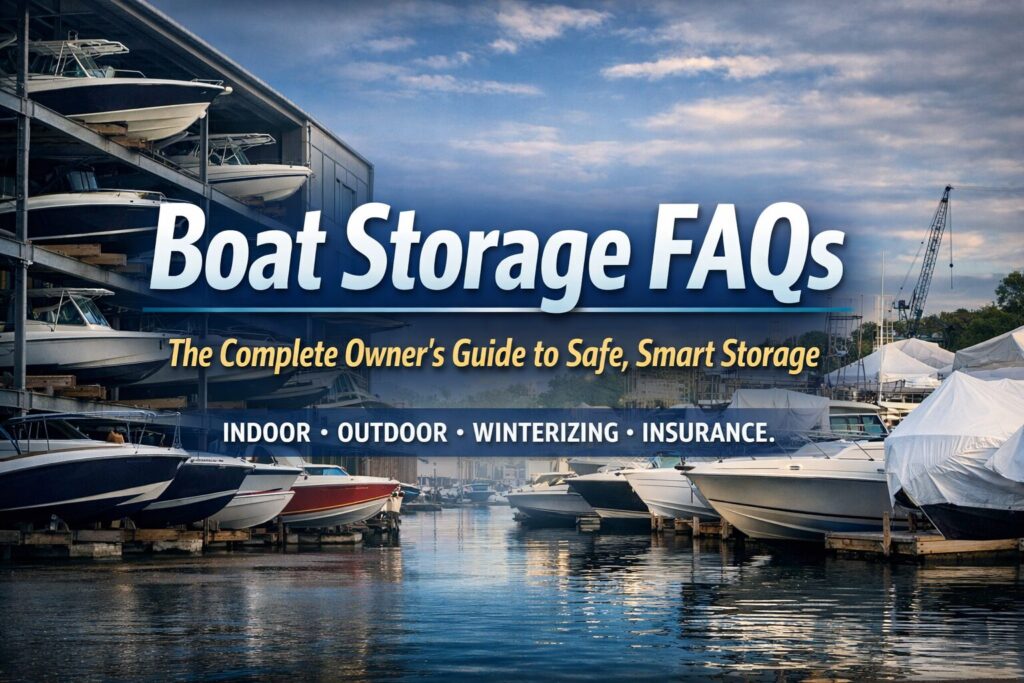
Boat Storage FAQs are something every boat owner eventually searches for. Whether you’re a first-time buyer or a seasoned captain, knowing how to properly store your vessel can save you thousands of dollars in repairs and extend your boat’s life. From choosing between indoor and outdoor storage to winterizing correctly, the details matter.
In this comprehensive guide, we’ll answer the most common boat storage questions clearly and simply. Let’s dive in.
| Heading Level | Topic |
|---|---|
| H1 | Boat Storage FAQs: 15 Powerful Answers Every Owner Should Know |
| H2 | Why Proper Boat Storage Matters |
| H3 | Preventing Structural Damage |
| H3 | Protecting Electrical and Mechanical Systems |
| H2 | What Are the Different Types of Boat Storage? |
| H3 | Indoor Storage Facilities |
| H3 | Outdoor Covered Storage |
| H3 | Outdoor Uncovered Storage |
| H3 | Dry Stack Storage |
| H2 | How Much Does Boat Storage Cost? |
| H3 | Factors That Influence Pricing |
| H3 | Regional Price Differences |
| H2 | Should I Store My Boat Indoors or Outdoors? |
| H3 | Climate Considerations |
| H3 | Budget vs. Protection |
| H2 | How Do I Prepare My Boat for Storage? |
| H3 | Cleaning and Detailing |
| H3 | Fuel System Stabilization |
| H3 | Battery Maintenance |
| H2 | Do I Need to Winterize My Boat? |
| H3 | What Is Winterization? |
| H3 | Step-by-Step Winterization Basics |
| H2 | Can I Store My Boat at Home? |
| H3 | Zoning and HOA Rules |
| H3 | Security Concerns |
| H2 | How Long Can a Boat Stay in Storage? |
| H3 | Short-Term vs Long-Term Storage |
| H3 | Periodic Checkups |
| H2 | What Is Dry Stack Storage? |
| H3 | Benefits of Dry Stack |
| H3 | Limitations to Consider |
| H2 | How Do I Protect My Boat from Moisture and Mold? |
| H3 | Proper Ventilation |
| H3 | Dehumidifiers and Moisture Absorbers |
| H2 | Should I Cover My Boat During Storage? |
| H3 | Shrink Wrap vs Custom Covers |
| H3 | Pros and Cons |
| H2 | What Insurance Coverage Is Needed During Storage? |
| H3 | Storage-Specific Coverage |
| H3 | Reviewing Your Policy |
| H2 | How Often Should I Inspect a Stored Boat? |
| H3 | Monthly Checklist |
| H3 | Signs of Trouble |
| H2 | Are Marina Storage Options Worth It? |
| H3 | Convenience vs Cost |
| H3 | Services Included |
| H2 | Frequently Asked Questions |
| H2 | Conclusion: Protecting Your Investment |
Storing a boat isn’t just about parking it somewhere safe. It’s about protecting an investment that likely cost thousands—or even hundreds of thousands—of dollars.
Boats are exposed to harsh elements: sun, wind, salt, rain, and freezing temperatures. Without proper storage, hull cracks, faded gel coats, and warped decks become real risks. UV rays alone can degrade materials faster than many owners realize.
Saltwater exposure adds another layer of damage. Even small amounts left on surfaces can corrode metal fittings and electrical components over time.
Modern boats are packed with electronics—GPS systems, fish finders, radios, and complex engine systems. Improper storage can lead to dead batteries, corroded wiring, and engine trouble.
Moisture is the silent enemy. It seeps into wiring and connectors, causing slow but steady deterioration. That’s why climate-controlled storage options are becoming more popular in humid regions.
Indoor storage offers maximum protection. Boats are kept inside warehouses or storage units, shielded from weather and UV damage.
Benefits include:
Reduced exposure to elements
Enhanced security
Lower long-term maintenance costs
The downside? It’s typically the most expensive option.
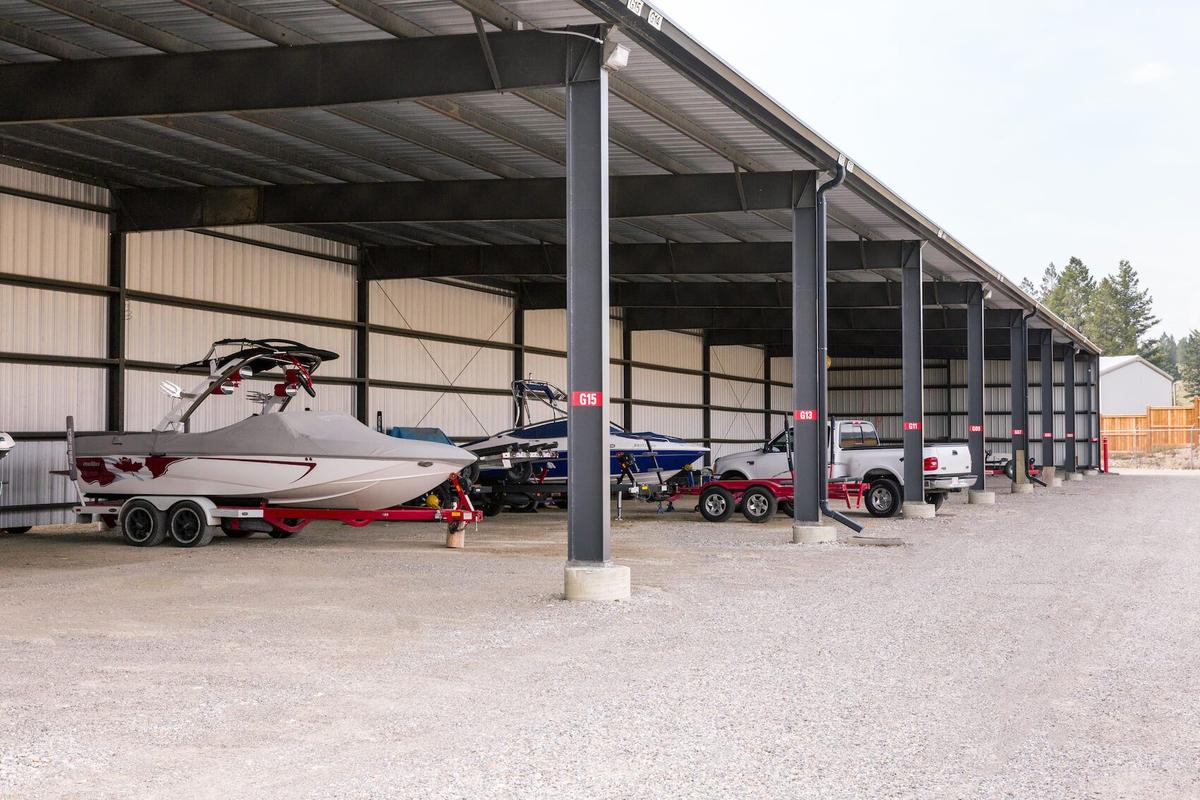
This option provides a roof overhead but leaves sides partially exposed. It’s a middle-ground solution that balances protection and cost.
This is the most affordable option. Boats are stored in open lots, often on trailers. While budget-friendly, it requires high-quality covers to prevent damage.
Dry stack storage is common in marinas. Boats are stored on racks in large covered buildings and launched using forklifts when needed. It’s convenient and protects boats from constant water exposure.
Costs vary widely depending on location, boat size, and storage type.
Boat length
Storage type (indoor vs outdoor)
Geographic region
Security features
Access frequency
On average:
Outdoor storage: $50–$150 per month
Covered storage: $100–$300 per month
Indoor storage: $200–$500+ per month
Coastal areas tend to have higher prices due to demand. Inland areas may offer more affordable options.
For updated pricing estimates, check resources like the National Marine Manufacturers Association at https://www.nmma.org/.
This depends on your climate and budget.
If you live in a region with harsh winters or heavy rainfall, indoor storage is often worth the extra cost. Freezing temperatures can crack engine blocks if not properly winterized.
If budget is tight, outdoor storage can work—but only with proper covers and regular inspections.
Preparation is key. Skipping steps now can mean costly repairs later.
Thoroughly wash the hull and deck. Remove salt, algae, and dirt. Clean interior compartments to prevent mold growth.
Add fuel stabilizer to prevent fuel breakdown. Run the engine briefly to circulate the treated fuel.
Disconnect batteries and store them in a cool, dry place. Use a trickle charger to maintain charge.
If you live in colder climates, absolutely.
Winterization involves preparing your boat’s engine, plumbing, and systems to withstand freezing temperatures.
Drain water systems
Add antifreeze
Fog the engine
Lubricate moving parts
Seal exhaust outlets
Skipping winterization can lead to cracked engines and plumbing damage.
Yes—but check local regulations first.
Some neighborhoods restrict boat parking. Always verify rules before committing.
Home storage requires:
Security cameras
Locked gates
Proper covers
Boats can stay in storage for months or even years if properly maintained.
Short-term storage requires minimal preparation. Long-term storage demands full winterization and fuel system care.
Inspect monthly for:
Pest infestations
Moisture buildup
Battery levels
Dry stack storage is a marina service where boats are stored vertically in racks.
Protection from water exposure
On-demand launching
Added security
Size restrictions
Limited access hours
Leave compartments slightly open to allow airflow.
Use marine-grade moisture absorbers to reduce humidity.

Yes—always.
Shrink wrap provides tight, full protection during winter. Custom covers allow ventilation and are reusable.
Shrink wrap:
Excellent weather protection
Single-use
Custom covers:
Reusable
Better ventilation
Review your marine insurance policy carefully.
Some policies reduce coverage during off-season storage. Make sure theft, fire, and storm damage are included.
Contact your provider annually to confirm terms.
Monthly inspections are ideal.
Check covers
Inspect for leaks
Verify battery charge
Look for pests
Musty odors
Soft flooring
Rust on fittings
Marina storage offers convenience, but it may cost more.
Some marinas include:
Maintenance services
On-demand launching
Security monitoring
With stabilizer, fuel can last up to 12 months safely.
In cold climates, yes—it offers strong protection.
Only in mild climates and with proper maintenance.
Not always, but covering them reduces risk.
Yes, storing them indoors prevents mold.
Absolutely. Proper storage maintains appearance and mechanical condition.
Understanding Boat Storage FAQs empowers you to make smarter decisions. Proper storage isn’t just about convenience—it protects your vessel, preserves resale value, and ensures your boat is ready when adventure calls.
With the right preparation, regular inspections, and smart storage choices, your boat can stay in top condition year after year.


“Clean facility, the owners are friendly and meet all your needs, have RV supplies onsite. Covered storage available.”

“Secure location; power at covered stalls. Biggest plus on site dump station; most just storage. The owner is nice and friendly, makes you feel like family.”

“Very good service! Family owned and it showed. The owner went above and beyond helping us.”

“Very helpful and knowledgeable and experienced in the RV world, and they also have a lot of stuff that you could buy that’s affordable love the way they have everything set up very happy with the choice. We made to have RV stored there.”


