



Looking for a reliable place to store your RV or boat in San Antonio? San Antonio Boat & RV Storage offers secure, affordable, and accessible storage solutions just minutes from your next adventure.


A boat on a trailer and a motorhome in the driveway both look great on the day you bring them home. A few months later, the driveway has become a parking puzzle. RV and boat storage solves that problem by giving your equipment a dedicated spot that is off the street and out of the way of daily life. San Antonio owners have real choices here, and the right one depends on the size of your rig, how often you use it, and how much weather protection you want. This guide covers the basics so you can pick a space with confidence instead of guesswork.
Recreation equipment is almost always bigger than people plan for. A travel trailer that measures 28 feet at the box is closer to 32 feet once you count the tongue and hitch. Boats add trailer length, a swing tongue, and an outboard that hangs off the back. Add a second vehicle, a utility trailer, and a teenager learning to drive, and the garage stops being an option entirely.
The result tends to be one of three things: a rig parked at an angle across the driveway, a boat pushed out onto the street where it collects dust and attention, or a monthly scramble to borrow space from a friend with acreage. None of those are great. A rented storage space fixes the geometry problem and keeps your equipment from becoming a daily obstacle for everyone in the household.
Most facilities that handle RVs and boats offer both covered and open-air options. Covered spaces put a roof over your rig, and uncovered spaces leave it out in the elements. Both have a place in a storage plan, and neither is automatically the better pick.
| Feature | Covered space | Uncovered space |
|---|---|---|
| Overhead protection | Roof and hull shaded from direct sun and rain | Fully open to the sky all year |
| Sun exposure | Reduced fading on gel coat, decals, and interior surfaces | Constant direct sun on roof, hull, and tires |
| Typical space sizes | 12.5×20 up to 12.5×45 | 12.5×20 up to 12.5×45 |
| Good fit for | Rigs that sit for weeks or months between trips | Owners who tow often and clean up after every outing |
Sun is the quiet enemy of anything stored outside. It works on roof sealant, vinyl, decals, and tires whether or not anyone is watching. A covered space cuts that exposure without sealing the rig up in a building, which keeps the cost lower than indoor warehouse storage while still giving you a real roof. Plenty of owners start uncovered for a season and move under cover once they see how quickly the finish dulls.
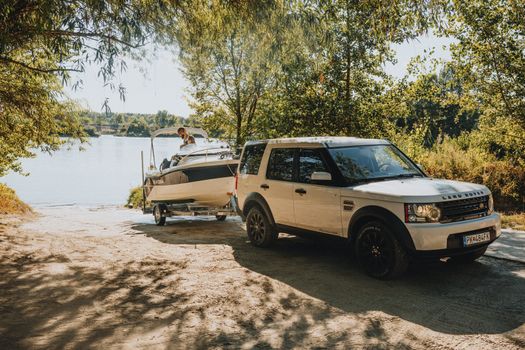
The most common storage mistake is renting a space that is a foot or two too small. Measure before you reserve, and measure the whole package, not just the cabin.
Local spaces generally run from 12.5×20 up to 12.5×45, which covers everything from a compact boat trailer to a large fifth wheel. If your rig is long or awkward to back up, ask about pull-through spaces, which can run up to 90 feet and let you drive in and drive out without a three-point turn. Class A motorhomes, Class C RVs, travel trailers, and tow-behind boats can usually find a spot that fits, but it helps to have exact numbers when you call.
Storage is a trust exercise. You are leaving an expensive piece of equipment somewhere you do not live, and it may sit for weeks without a visit. A few details separate a well-run lot from a dirt patch with a fence.
Ask about access hours and lot rules before you sign anything. Every facility sets its own, and none of that is standardized across the industry.
A storage space protects your equipment from the outside. What happens inside the rig is up to you, and an hour of prep saves a lot of grief later.
A cover is worth considering for boats that sit outside, though it needs to fit properly and breathe. A loose tarp that traps moisture can do more harm than good.
The best storage lot is the one you will actually use. A space 45 minutes away looks fine on paper, but it turns into a chore when you want to check a strap before a Saturday trip. Closer is better, especially if you plan to swing by between outings to run the engine or inspect the cover.
Facilities on the west side of San Antonio near Culebra Road and Alamo Ranch sit in a practical spot for owners who head out toward Medina Lake, the Texas Hill Country, and the coast. You can pull the rig out, stop at home to load up, and be on your way without crossing the entire city twice.
RV and boat storage often comes bundled with services that make the trip more useful. A facility with traditional self storage, including 10×20 units, gives you a place for the gear that lives with the boat but not on it: life jackets, tubes, tackle, folding chairs, and the cooler that never quite fits in the garage. That keeps the boat lighter for towing and the garage usable for cars.
On-site U-Haul truck and trailer rentals are handy for the other half of moving season. You can drop the boat in storage, grab a truck, and clear out the garage in the same afternoon instead of driving across town for a rental.
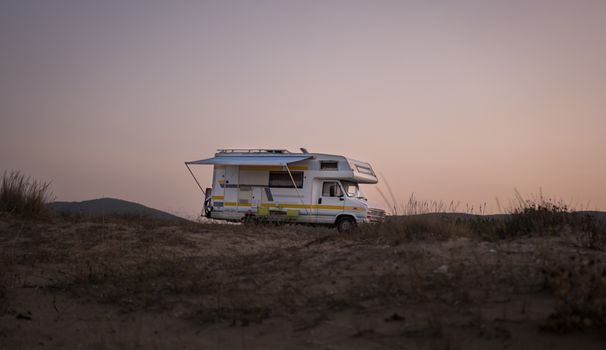
Measure your rig from bumper to bumper, including the hitch, ladder, and any rear-mounted accessories. Then measure the height to the tallest point, usually the air conditioner. Compare those numbers to the space dimensions, which at local facilities run from 12.5×20 up to 12.5×45. Add a little margin on each side so you can walk around and check straps comfortably.
For most owners, yes, especially if the boat sits for weeks between trips. A roof blocks the direct sun that fades gel coat, dries out vinyl, and shortens the life of covers and tires. If you fish every weekend and wash the boat after each outing, open-air storage can work fine and usually costs less.
Facilities that handle RVs and boats often accept trailers, vehicles, and commercial trucks on the same lots, since the spaces are long and the lanes are wide. Availability changes with demand, so call ahead with your measurements and confirm that your equipment type is allowed before you reserve.
Yes, empty and rinse the black and gray tanks, and drain the fresh water lines if freezing weather is possible. Standing waste creates odors that soak into upholstery and cabinets, and it is far easier to deal with at the dump station than in a storage aisle. Empty the refrigerator and prop the door open too.
Call or stop by the facility with your rig’s exact length, width, and height. Staff can match you to a covered or uncovered spot and tell you what is available right now. Ask about access hours, lot rules, and current rates at the same time, since those details are set by each facility and can change.


“Clean facility, the owners are friendly and meet all your needs, have RV supplies onsite. Covered storage available.”

“Secure location; power at covered stalls. Biggest plus on site dump station; most just storage. The owner is nice and friendly, makes you feel like family.”

“Very good service! Family owned and it showed. The owner went above and beyond helping us.”

“Very helpful and knowledgeable and experienced in the RV world, and they also have a lot of stuff that you could buy that’s affordable love the way they have everything set up very happy with the choice. We made to have RV stored there.”


