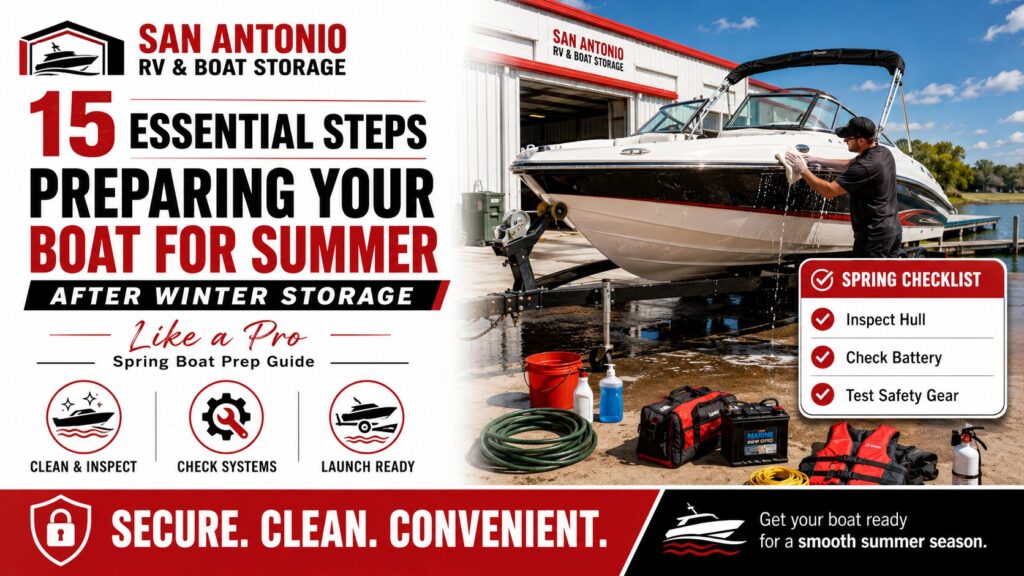
Preparing Your Boat for Summer After Winter Storage
As temperatures rise and boating season approaches, Preparing Your Boat for Summer After Winter Storage becomes a top priority for boat owners. Months of inactivity during winter can affect various systems, from the engine and battery to safety equipment and fuel quality. Taking the time to perform a comprehensive inspection and maintenance routine before launching your boat helps prevent costly repairs, improves safety, and ensures a smooth experience on the water.
Whether you own a fishing boat, pontoon, sailboat, or cruiser, proper preparation can make all the difference. This guide covers everything you need to know to get your vessel ready for a successful summer season.
Why Spring Boat Preparation Matters
Many boat owners are eager to hit the water as soon as warm weather arrives. However, skipping essential maintenance after winter storage can lead to mechanical failures, safety risks, and expensive breakdowns.
Benefits of proper spring preparation include:
- Enhanced safety on the water
- Improved engine performance
- Longer equipment lifespan
- Better fuel efficiency
- Reduced repair costs
- Greater reliability during outings
Investing a few hours in preventive maintenance can save hundreds or even thousands of dollars later.
Inspecting Your Boat After Winter Storage
A thorough inspection should be your first step.
Checking the Hull for Damage
Winter conditions can cause stress cracks, blisters, and other damage to the hull.
Look for:
- Cracks or fractures
- Gelcoat damage
- Blisters
- Signs of impact damage
- Loose fittings
Pay close attention to areas near the waterline and around mounting hardware.
Examining the Deck and Exterior Components
Inspect all visible surfaces carefully.
Check:
- Cleats
- Railings
- Windshields
- Hatches
- Ladders
- Seating mounts
Ensure everything remains secure and free from corrosion.
Cleaning Your Boat Thoroughly
Before performing maintenance, clean the entire vessel.
Washing the Hull and Deck
Use marine-specific cleaning products to remove:
- Dirt
- Mold
- Oxidation
- Salt residue
- Bird droppings
Avoid harsh household cleaners that can damage marine finishes.
A clean surface also makes it easier to identify hidden damage.
Cleaning Interior Spaces
Interior areas often accumulate moisture during storage.
Focus on:
- Upholstery
- Carpets
- Storage compartments
- Cabinets
- Bilge areas
Proper cleaning helps eliminate mildew and unpleasant odors.
Evaluating the Engine and Mechanical Systems
The engine is the heart of your boat and deserves special attention.
Inspecting Engine Fluids
Check all fluid levels and conditions.
Important fluids include:
| Fluid |
What to Check |
| Engine Oil |
Level and cleanliness |
| Coolant |
Proper level |
| Power Steering Fluid |
Adequate volume |
| Transmission Fluid |
Color and condition |
Replace any fluids that appear contaminated or degraded.
Checking Belts and Hoses
Rubber components often deteriorate during storage.
Inspect for:
- Cracks
- Dry rot
- Fraying
- Soft spots
- Loose connections
Replace damaged parts immediately.
Testing the Cooling System
A malfunctioning cooling system can quickly cause engine damage.
Inspect:
- Water pump impeller
- Coolant lines
- Clamps
- Intake screens
Many experts recommend replacing the impeller annually.
Inspecting the Fuel System
Fuel issues are among the most common boating problems after winter storage.
Fuel Quality Assessment
Gasoline can degrade over time.
Signs of fuel problems include:
- Strong odor
- Discoloration
- Water contamination
- Engine hesitation
If fuel quality is questionable, consider draining and replacing it.
Replacing Fuel Filters
Fuel filters trap contaminants that can damage the engine.
Replace:
- Primary fuel filter
- Water separator
- Secondary engine filters
Fresh filters improve performance and reliability.
Battery Inspection and Maintenance
Boat batteries often lose charge during extended storage.
Testing Battery Performance
Use a battery tester to check:
- Voltage
- Capacity
- Charging ability
Replace batteries that cannot maintain adequate charge.
Cleaning Battery Connections
Corrosion can interfere with electrical performance.
Clean:
- Battery terminals
- Cable connections
- Ground points
Apply dielectric grease to reduce future corrosion.
Checking Electrical Systems
Modern boats rely heavily on electronics.
Navigation Lights
Verify that all lights function properly.
Check:
- Bow lights
- Stern lights
- Anchor lights
- Cabin lights
Replace burned-out bulbs immediately.
Electronics and Instruments
Test all onboard systems:
- GPS
- Fish finder
- Radar
- Depth sounder
- VHF radio
- Gauges
Ensure software updates are completed when applicable.
Inspecting Safety Equipment
Safety equipment should never be overlooked.
Life Jackets and Flotation Devices
Inspect for:
- Tears
- Mold
- Damaged straps
- Missing buckles
Ensure you have enough approved life jackets for every passenger.
Fire Extinguishers and Emergency Gear
Check expiration dates and functionality.
Review:
- Fire extinguishers
- Flares
- First-aid kits
- Throw cushions
- Emergency signaling devices
Replace expired or damaged equipment.
Trailer Inspection and Maintenance
If your boat uses a trailer, it requires maintenance too.
Tires and Bearings
Inspect tires for:
- Proper inflation
- Cracks
- Uneven wear
Grease wheel bearings and replace worn components.
Lights and Hitch Components
Verify operation of:
- Brake lights
- Turn signals
- Running lights
Inspect hitch hardware, chains, and coupler mechanisms.
Inspecting Propellers and Running Gear
Propeller damage often goes unnoticed.
Check for:
- Bent blades
- Cracks
- Fishing line entanglement
- Corrosion
Even minor damage can reduce performance and fuel efficiency.
Also inspect:
- Shaft alignment
- Rudders
- Trim tabs
- Skegs
Verifying Registration and Documentation
Before launch day, confirm that all paperwork is current.
Review:
- Boat registration
- Trailer registration
- Insurance documents
- Fishing permits
- Marina agreements
Keeping documents updated helps avoid legal issues.
Launch Preparation Checklist
Before heading to the ramp, complete this checklist:
Pre-Launch Inspection
✓ Battery charged
✓ Fuel tank filled
✓ Safety equipment onboard
✓ Drain plug installed
✓ Navigation lights tested
✓ Bilge pump operational
✓ Registration onboard
✓ Engine started successfully
✓ Trailer secured
✓ Weather forecast reviewed
A final inspection can prevent embarrassing and costly mistakes.
Common Mistakes to Avoid
Many boat owners unintentionally create problems during spring preparation.
Avoid these common errors:
- Skipping fuel system inspection
- Ignoring battery health
- Forgetting the drain plug
- Neglecting safety equipment
- Launching without testing electronics
- Overlooking trailer maintenance
- Delaying fluid changes
- Ignoring minor hull damage
Addressing small issues early often prevents major repairs later.
Preparing Your Boat for Summer After Winter Storage: Expert Tips
Experienced boaters recommend establishing a routine each spring.
Helpful tips include:
- Create a maintenance checklist.
- Keep service records.
- Schedule professional inspections when needed.
- Replace worn parts proactively.
- Store emergency supplies onboard year-round.
- Test systems before your first long trip.
By following these practices, you can enjoy a safer and more reliable boating season.
Frequently Asked Questions
1. How early should I start preparing my boat for summer?
Begin preparations at least two to four weeks before your planned launch date. This allows time for repairs and parts replacement.
2. Should I replace fuel that sat all winter?
If fuel was stabilized properly, it may still be usable. However, inspect it carefully for contamination or degradation.
3. How often should boat batteries be replaced?
Most marine batteries last between three and five years, depending on maintenance and usage.
4. Is professional servicing necessary every spring?
Not always. Many owners can perform routine maintenance themselves, but professional inspections are beneficial for complex systems.
5. What is the most commonly forgotten launch item?
The drain plug remains one of the most frequently forgotten items during launch preparation.
6. Why is the impeller important?
The impeller circulates cooling water through the engine. A failed impeller can lead to overheating and severe engine damage.
7. Can I pressure wash my boat after storage?
Yes, but use appropriate pressure settings and marine-safe cleaning products to avoid damaging finishes.
8. How do I prevent mildew after winter storage?
Ensure proper ventilation, clean all surfaces thoroughly, and allow interior areas to dry completely before use.
Conclusion
Preparing Your Boat for Summer After Winter Storage is one of the most important responsibilities of boat ownership. A careful inspection of the hull, engine, fuel system, electrical components, trailer, and safety equipment ensures your vessel is ready for months of enjoyable adventures on the water.
By taking a proactive approach, addressing maintenance needs early, and following a structured checklist, you can minimize unexpected breakdowns and maximize your boating enjoyment. The effort invested before launch day pays off through improved safety, reliability, and peace of mind throughout the entire boating season.
For additional boating safety guidance and maintenance recommendations, visit the official website of the U.S. Coast Guard Boating Safety Division.